



Fair Oaks Chantilly Jeep - Which Is Better for Open-Air Adventure and Trail Hardware around Fairfax, VA — the 2026 Jeep Wrangler or the 2026 Toyota 4Runner?
When shoppers in Northern Virginia start comparing off-road SUVs, one question rises to the top: which is better for open-air adventure and trail hardware—Jeep Wrangler or Toyota 4Runner? The latest generation of both models leans into true capability, but they approach it with different philosophies. The Wrangler prioritizes modular, convertible design and trail-first suspension geometry, while the 4Runner focuses on a tech-forward cabin, an available hybrid powertrain, and everyday utility touches. If you’re weighing the difference for life around Fairfax, VA—where weekday commutes meet weekend trailheads—here’s a structured way to think about the trade-offs.
Trail Hardware That Changes How You Drive
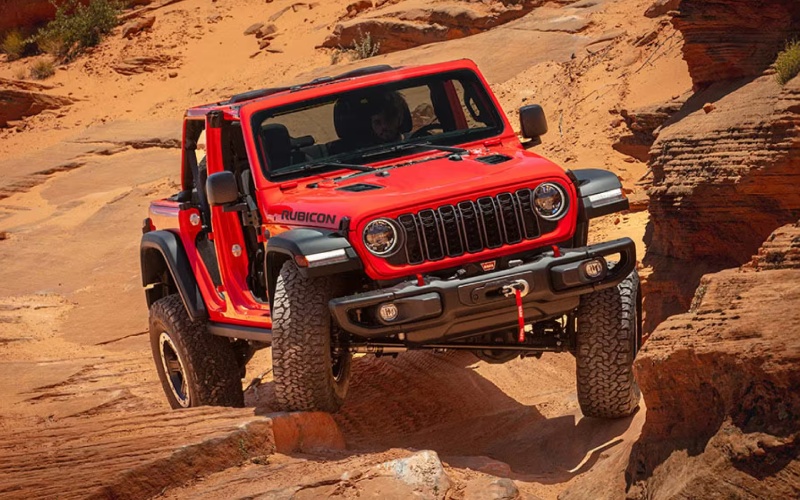
Wrangler’s off-road tool set is unusually complete. Solid front and rear axles, available 35-inch tires, an electronic front sway bar disconnect, and available Tru-Lok electronic locking differentials at both axles give you traction, articulation, and control that feel natural on uneven terrain. Add a factory-available WARN winch and winch-capable steel bumpers, and you have recovery confidence built right in. Importantly, Wrangler positions its front radar sensor at the windshield, so your off-road bumpers and winch stay fully functional. The 4Runner counters with the TNGA-F chassis, an available Stabilizer Disconnect Mechanism, 33-inch tires on TRD Pro and Trailhunter, and an available onboard air compressor to reinflate tires after a trail day. That’s a great package—especially for overlanding builds—but only Wrangler brings the full suite of solid-axle articulation and dual locking differentials from the factory.
On the trail, these differences show up as finesse: how slowly you can crawl, how predictably the suspension flexes, and how easy it is to modulate throttle over ledges. Wrangler’s system is built to make those moments calm and repeatable. If your Saturdays include rocky cut-throughs near Great Falls Park or forest roads west of town, you’ll appreciate the Wrangler’s deliberate, low-range control.
Open-Air Freedom vs. Traditional SUV Utility
The 4Runner’s SUV body brings big-cabin practicality, an available third row, and a signature power rear window. It’s a terrific road-trip partner and excels when you need cargo flexibility. Wrangler, however, is the open-air, door-off original. New quick-release hinges make removing doors faster, and multiple roof options—including the available Sky One-Touch Power Top—let you tailor airflow on the fly. If you love the feeling of stepping out of the office near the Beltway and immediately changing the vibe for a sunset drive on Georgetown Pike, Wrangler is in a different category. There is no substitute for open-air motoring when the weather cooperates.
Powertrains and Daily Drivability
Jeep offers two engines with distinct personalities: the 3.6L Pentastar V6, available with a 6-speed manual or an automatic, and the 2.0L Turbo I4 paired with an 8-speed automatic. Enthusiasts still seeking a manual will find Wrangler’s setup a rarity worth celebrating. Toyota’s 4Runner lineup impresses with the i-FORCE 2.4L turbo and the i-FORCE MAX hybrid, which brings extra torque and smoothness for around-town responsiveness. Both SUVs provide full-time 4x4 options for changeable Virginia weather, and both handle weekday grind duty with composure. Wrangler leans slightly more toward trail precision and customization; 4Runner leans more toward hybrid-enhanced daily drivability and utility.
Key Differences You’ll Notice in Fairfax
- Open-air capability: Wrangler’s door-off, roof-off design creates a unique driving experience; 4Runner offers a power rear window but not an open cabin.
- Trail articulation: Wrangler’s solid axles and dual lockers deliver confident crawling; 4Runner’s SDM improves flex but keeps an independent front setup.
- Customization and sensors: Wrangler’s radar mounts at the windshield, preserving winch/bumper options; 4Runner’s sensors typically live in the grille or bumper area.
- Transmission choice: Wrangler offers a manual on select trims; 4Runner is automatic-only.
- RV lifestyle: When properly equipped, Wrangler can be flat-towed; Toyota does not approve flat-towing for 4Runner.
Those distinctions shape not just how you tackle trails, but also how you plan long weekends. If an RV road trip to Shenandoah is on your list, Wrangler’s flat-tow capability is a surprisingly practical advantage.
How to Decide Based on Your Routine
- List your weekend priorities: If open-air driving and technical crawling are non-negotiable, Wrangler wins. If you need an available third row and love the idea of a hybrid powertrain, the 4Runner has an edge.
- Map your daily miles: Commutes along I-66, US-50, or through Tysons may point you toward the turbo I4 in Wrangler or Toyota’s hybrid torque; test both to see which feels natural.
- Consider your build plan: Wranglers invite steel bumpers, winches, and 35s right from the start; 4Runner supports robust overlanding setups, but sensor placement and front suspension geometry can shape your choices.
In practical terms, many Fairfax drivers land on Wrangler because it blends daily usability with a level of trail personalization unmatched by anything else. If you crave open-air drives after work and the control that comes from solid axles and true locking differentials, Wrangler’s formula fits your weekends perfectly.
Frequently Asked Questions:
Can the 2026 Jeep Wrangler really tackle technical trails better than the 2026 Toyota 4Runner?
Both are capable, but Wrangler’s solid front and rear axles, available front-and-rear lockers, and an electronic sway bar disconnect on Rubicon models provide extra articulation and traction in off-camber situations. 4Runner’s Stabilizer Disconnect Mechanism is excellent, yet its independent front suspension behaves differently over ledges and ruts.
Which one is more practical for families?
The 4Runner can be configured with up to seven seats, plus the power rear window and large cargo space make it family-friendly. Wrangler 4-door models accommodate five with flexible cargo solutions and easy-clean materials, and the 2-door is great for couples or solo adventurers who want a compact footprint.
What about technology and driver assistance?
Wrangler offers Uconnect 5 on a 12.3-inch touchscreen and available driver-assist features, with radar placed above the windshield to keep bumpers and winches trail-ready. 4Runner’s Toyota Safety Sense 3.0 suite is comprehensive, and its large screens and camera systems shine for daily driving and towing features.
Is either SUV better for RV enthusiasts?
When properly equipped, the Wrangler can be flat-towed, which simplifies RV travel planning. Toyota does not approve of flat-towing the 4Runner.
Ready to try these differences in person? Visit Fair Oaks Chantilly Chrysler Jeep Dodge Ram—serving Manassas, Fairfax, and Sterling—to feel the open-air distinction, test Wrangler’s steering and low-range control, and see why trail-focused hardware matters as much on gravel as it does on granite. If your idea of balance is a commuter that can transform into a weekend tool with a few quick-release hinges, Wrangler is likely your answer.