





Fair Oaks Chantilly Ram - Steps to Take if RAM 2500 Check Engine Light is On
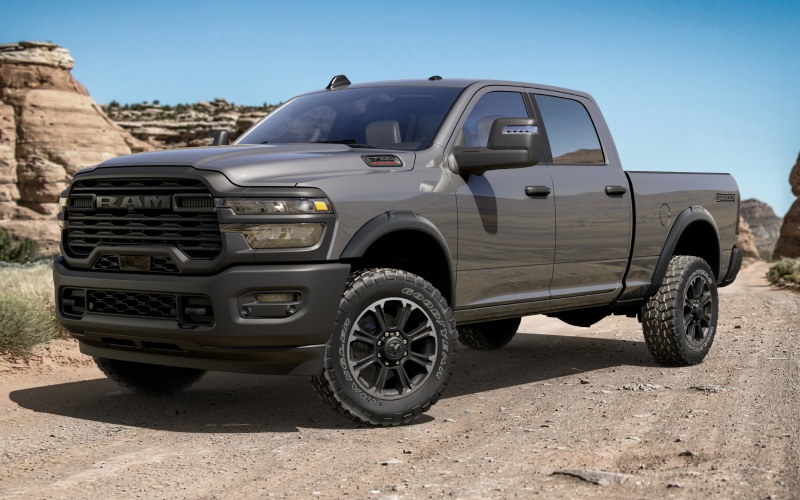
Owners of a RAM 2500 know this heavy duty truck is built to work, so when the Check Engine Light appears, it deserves quick, expert attention. If you are in Chantilly, VA, our Service Center delivers the specialized diagnostics your truck requires, from advanced scan tools to road tests that validate the repair. At Fair Oaks Chantilly Chrysler Jeep Dodge Ram, our certified technicians diagnose issues across gas and diesel powertrains, and we use genuine Mopar® parts to help protect performance, emissions systems, and warranty coverage. Whether your light came on after towing, a long highway run, or a cold start, we can isolate the root cause efficiently, explain your options in clear terms, and complete repairs to factory standards. We also offer conveniences that keep you moving, including Express Lane services for select maintenance, available shuttle or loaner options, and proactive text updates. From a loose fuel cap to ignition misfires or sensor faults, catching issues early can prevent damage to the catalytic converter or diesel aftertreatment components and help safeguard fuel economy. If the light is flashing, reduce speed and consider stopping safely to avoid engine damage; if it is steady, you can typically drive short distances to our facility. Always consult your owner’s manual for model-specific guidance and contact the manufacturer or our team for details, as conditions, warranties, and recommendations can vary. When you are ready, request more information and let our advisors guide your next steps with confidence.
- Note the light behavior: A steady light typically signals emissions-related faults; a flashing light suggests a misfire and potential catalyst damage.
- Check and tighten the fuel cap: Ensure the cap clicks firmly; then drive several trips to allow the system to recheck EVAP integrity.
- Reduce load and speed: Avoid towing, steep grades, or high RPM; gentle driving can prevent escalation and preserve drivability until service.
- Retrieve OBD-II codes: Use a scanner if available, or stop by our service drive for a professional scan and actionable repair plan.
- Look for additional symptoms: Hesitation, rough idle, hard starts, or poor fuel economy provide valuable clues to share with our advisors.
- Inspect visible basics: Verify engine oil and coolant are within range, and that battery terminals are clean, and connections are secure.
- Do not clear codes prematurely: Clearing codes erases freeze-frame data our technicians use to pinpoint intermittent or temperature-dependent issues.
- Schedule a diagnostic promptly: Early intervention limits wear on the catalytic converter, turbocharger, DPF, or oxygen sensors and saves time later.
- Document when it happened: Note speed, load, fuel station, recent maintenance, and weather; those details help us reproduce and confirm the concern.
- Confirm warranty or recalls: We can check your VIN for active powertrain coverage, campaigns, and Mopar® Technical Service Bulletins before repairs.